

AI search content optimization focuses on making content easy for AI systems to understand, extract, and reuse inside generated answers. In 2026, visibility will no longer be driven only by rankings but by whether your content can be safely summarized and cited by AI-driven search engines.
This guide presents a proven framework we actively use to optimize content for Google AI Overviews and LLM-based AI search tools. The same structure outlined on this page has been applied in real-world scenarios and has already produced measurable visibility gains in AI-driven search results.
What Is AI Search Content Optimization?
What Is AI Search CoAI Search Content Optimization (also known as AEO or GEO- Generative Engine Optimization) is the practice of structuring digital content so AI models can accurately parse, summarize, and cite it as a primary source.
It focuses on:
- Clear, answer-first sections
- One-intent headings and short paragraphs
- Unlike traditional SEO, the goal is not just ranking pages; it’s being selected as a source.
- Structured formats like tables, steps, and lists
Also Read: How to Symphonise AI and SEOntent Optimization?
Why AI Search Optimization Matters in 2026
What Is AI Search CoAI Search Content Optimization (also known as AEO or GEO- Generative Engine Optimization) is the practice of structuring digital content so AI models can accurately parse, summarize, and cite it as a primary source.
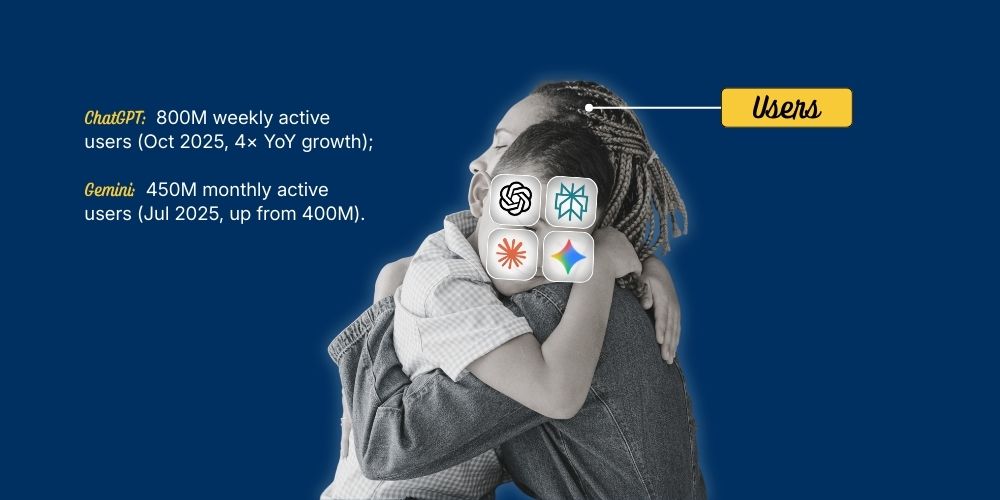
AI search visibility in 2026 will be shaped by two parallel discovery surfaces: Google AI Overviews on the SERP and LLM-powered chat interfaces such as ChatGPT, Gemini, Perplexity, and Copilot.
On Google, AI Overviews act as an interpretation layer above traditional organic results. Instead of ranking pages alone, Google increasingly retrieves content from its index and synthesizes it into AI-generated summaries, citing selected sources where possible.
At the same time, LLM-based AI search experiences are becoming a parallel discovery channel. Tools like ChatGPT, Gemini, and Perplexity answer user questions directly by retrieving and summarizing web content, often without displaying traditional rankings at all.
